A swarm looks for a home
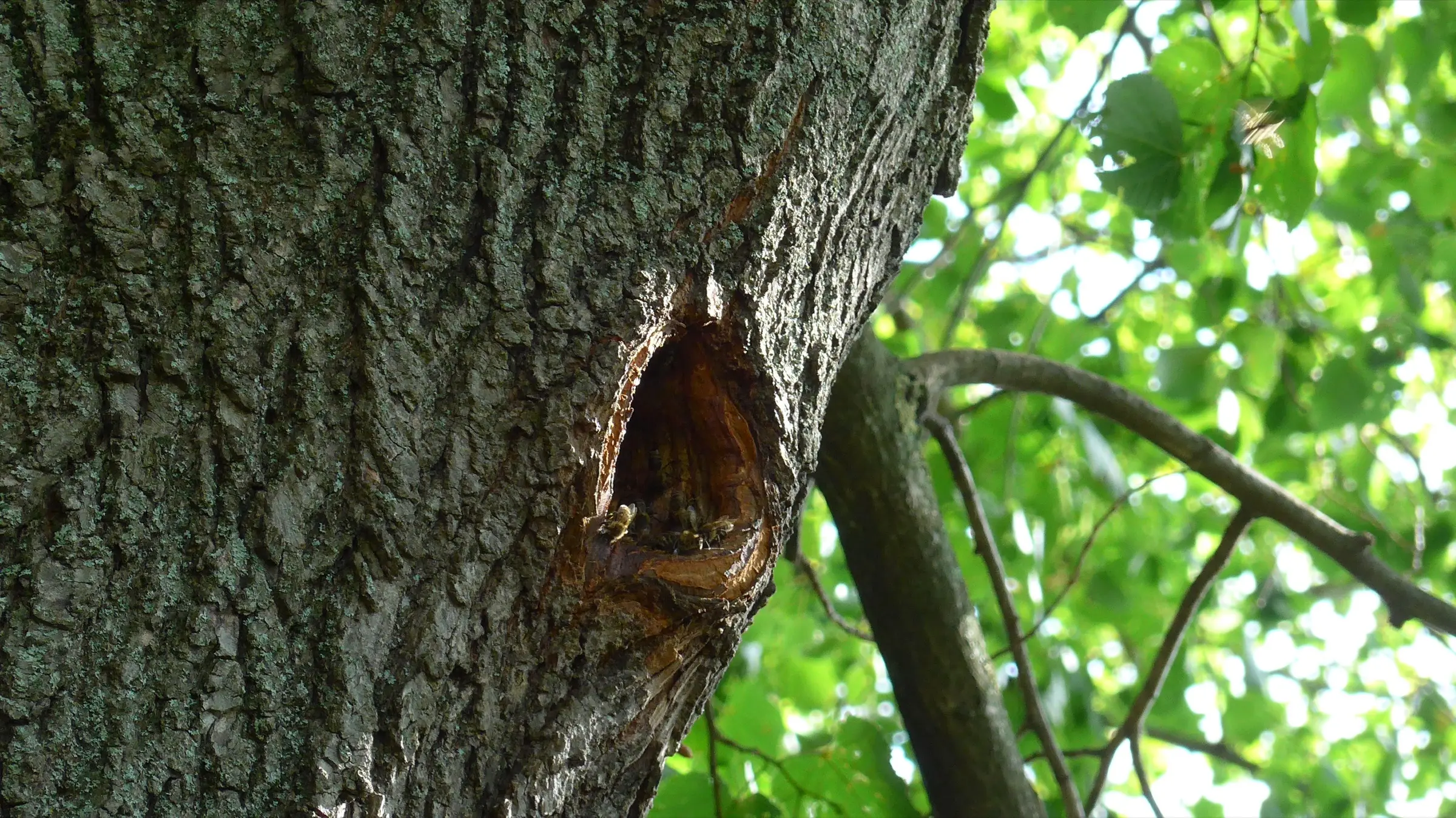
The old colony divides and a swarm leaves with the queen. Scout bees search the surroundings and choose a hollow – dry, roomy and usually with a small entrance.
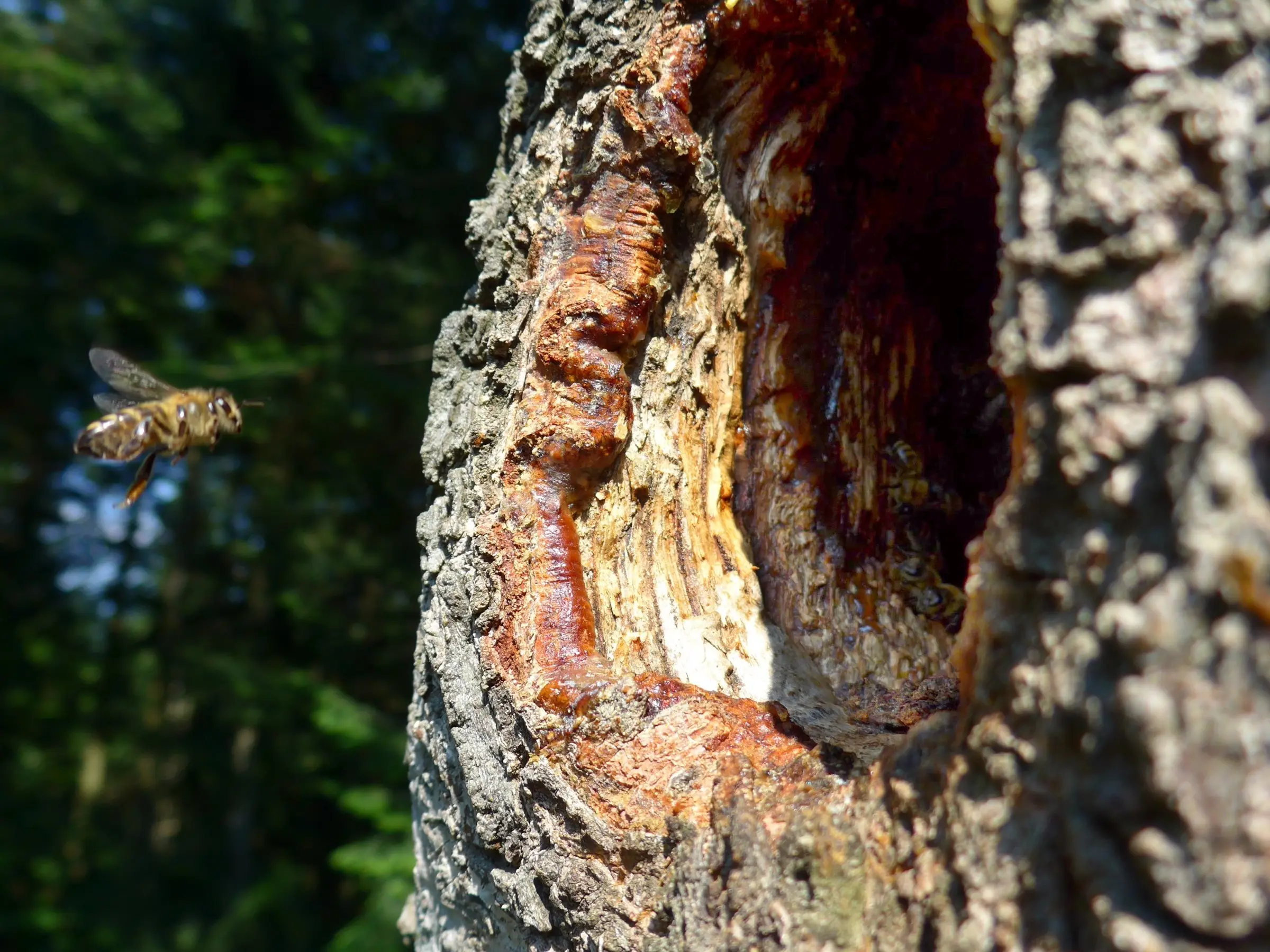
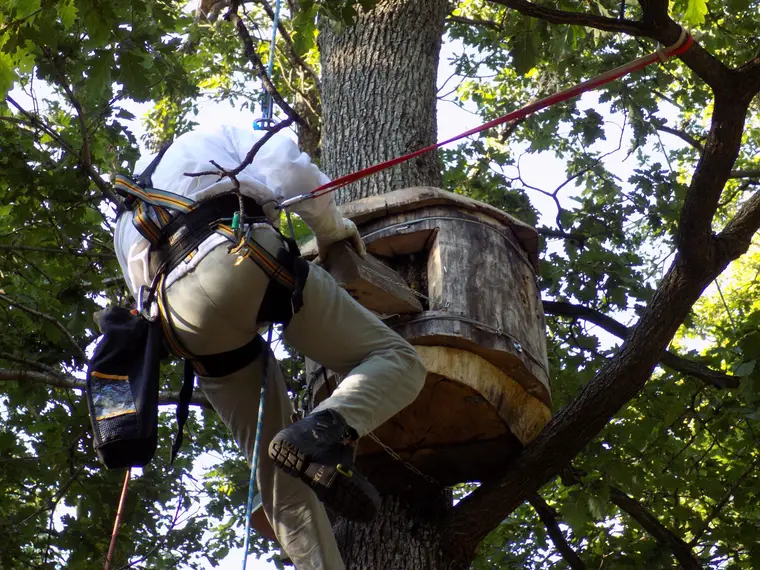
In the hollows of old trees all over Slovakia, honey bee colonies live without any help from beekeepers. Since 2017 we have been searching for them, studying them and following how they survive.
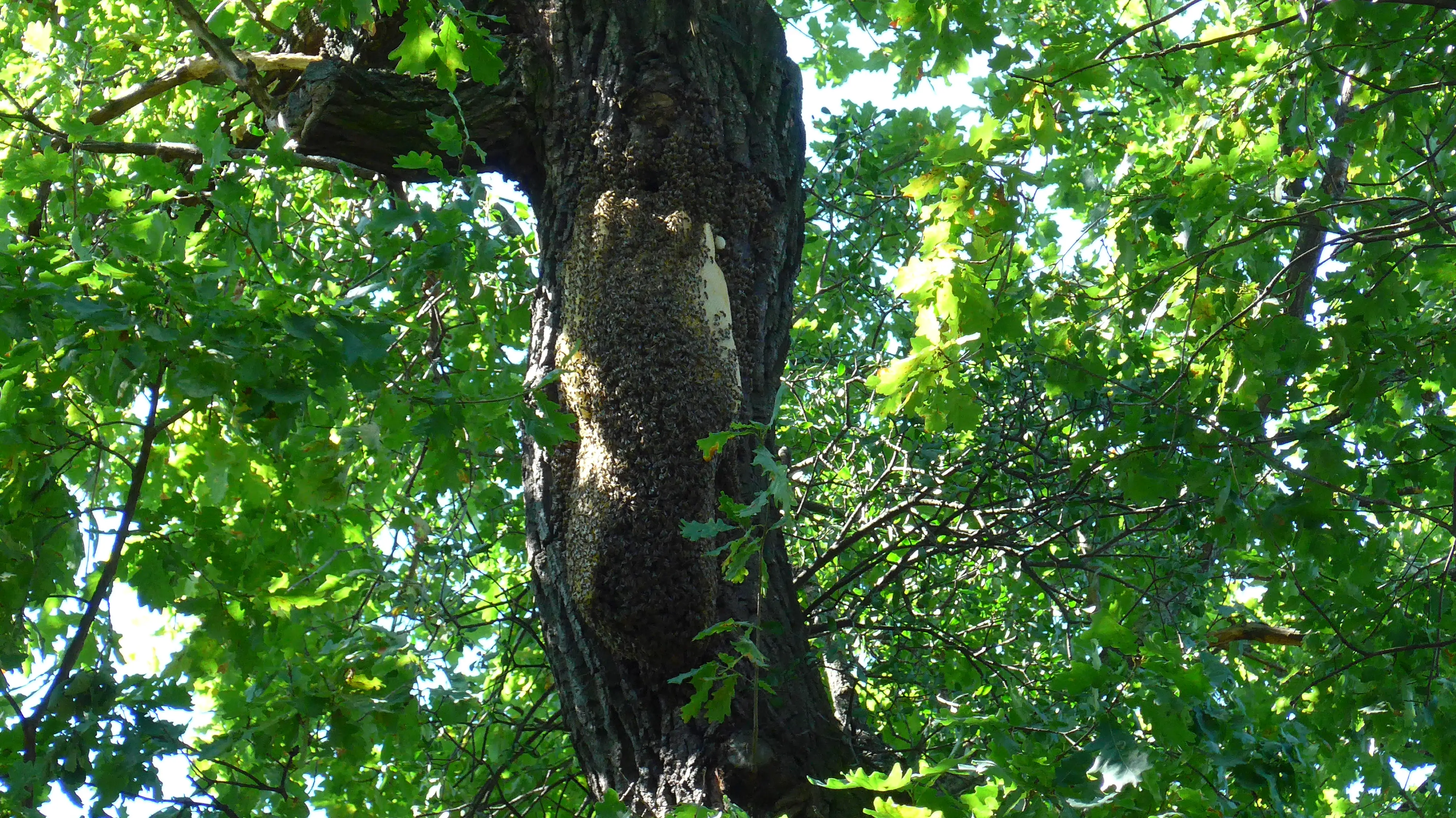
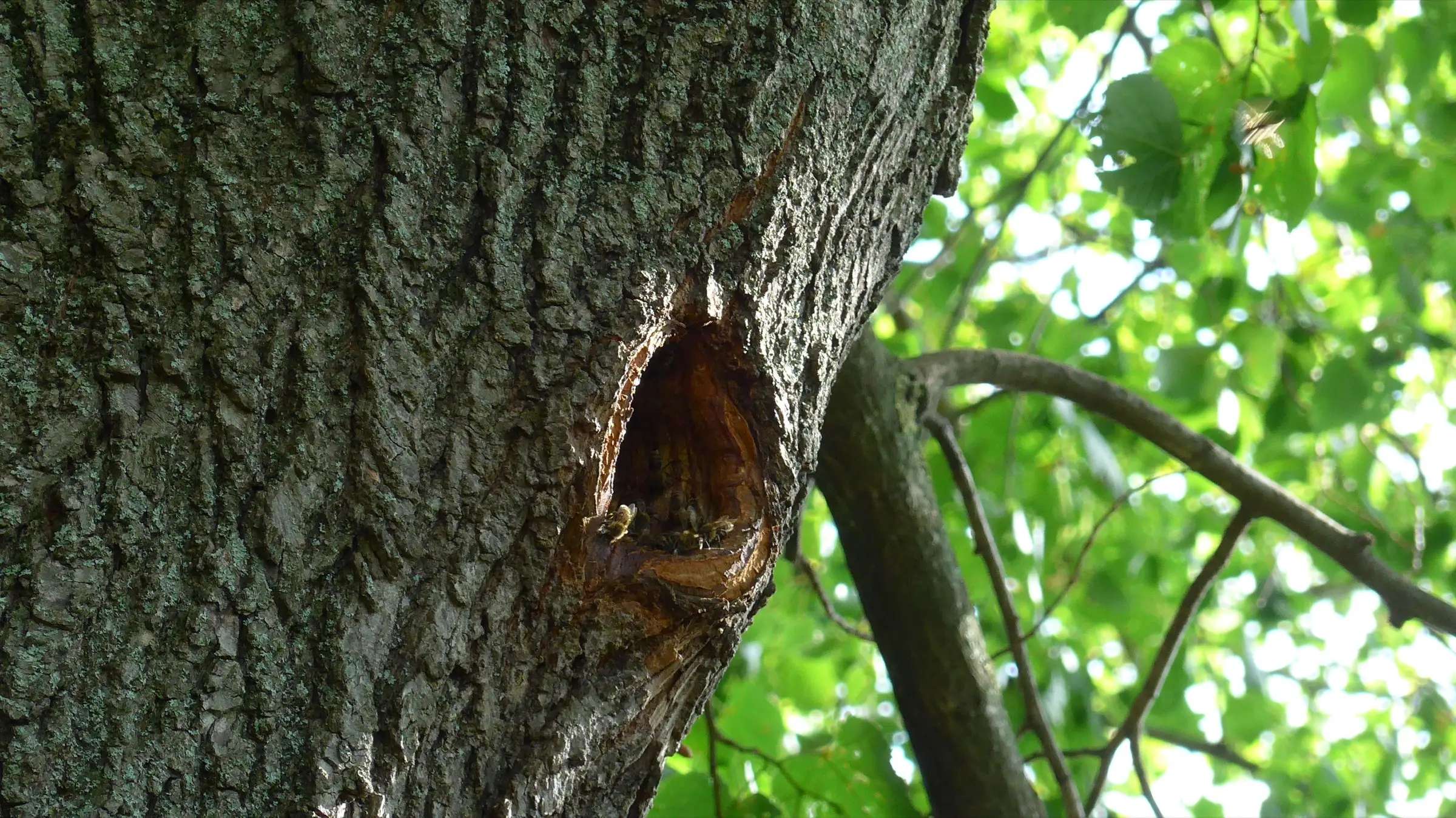
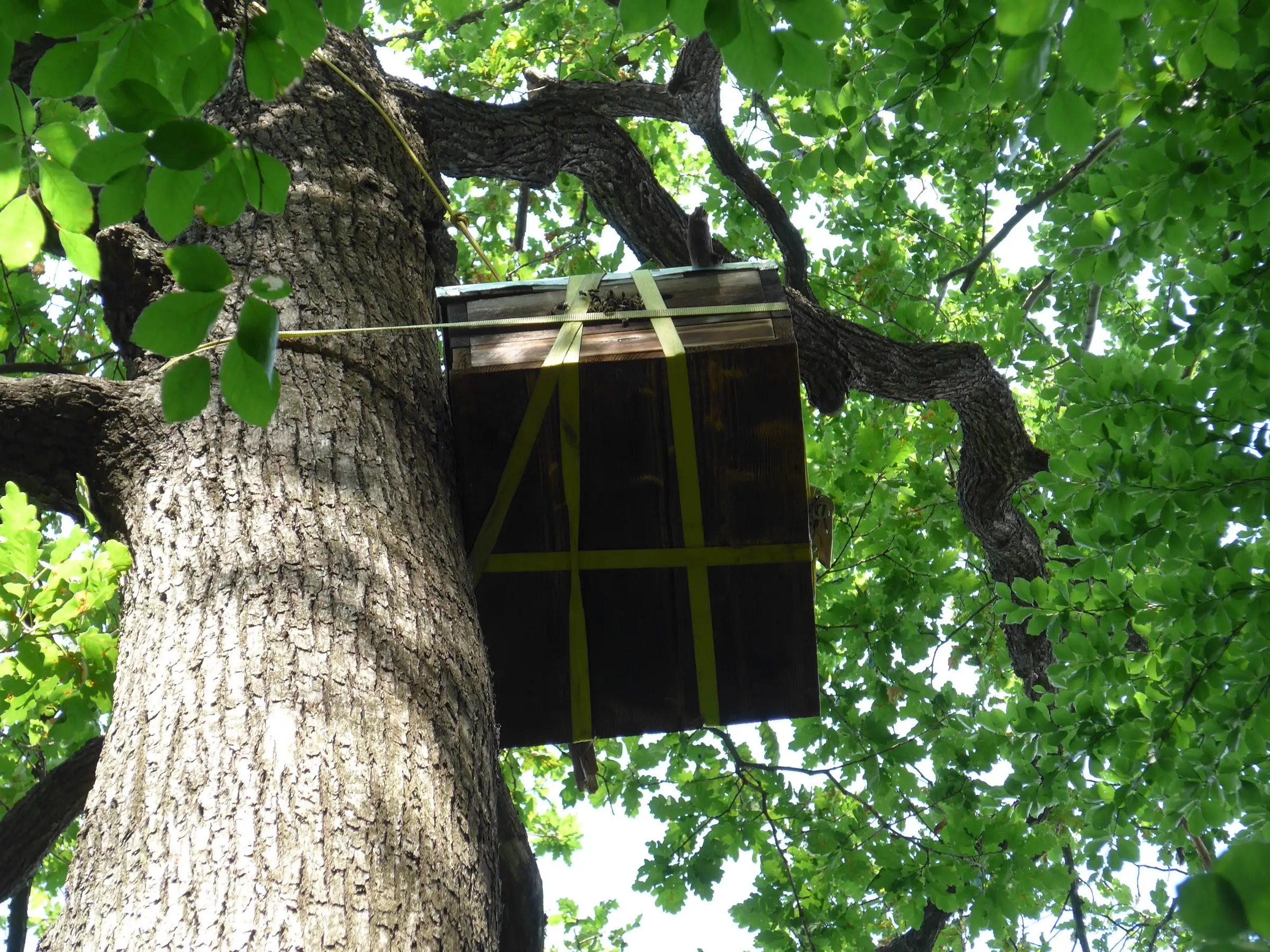
Most people know it from the hive. But colonies that escape as a swarm can find a home in a tree hollow and live there without human help – sometimes for years, just as they have done since ancient times.
Since 2017 we have been monitoring where they occur and how they survive, and studying what affects their lives. We are part of the international Honey Bee Watch coalition, which maps and protects surviving colonies. The IUCN recently listed free-living honey bee colonies in the European Union as endangered.
More about our research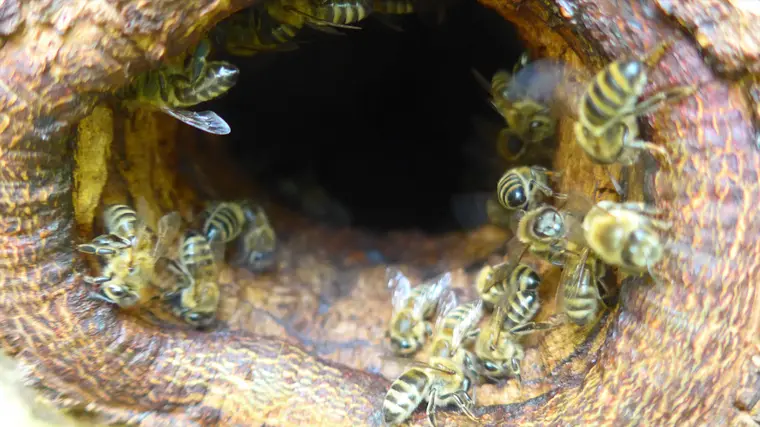
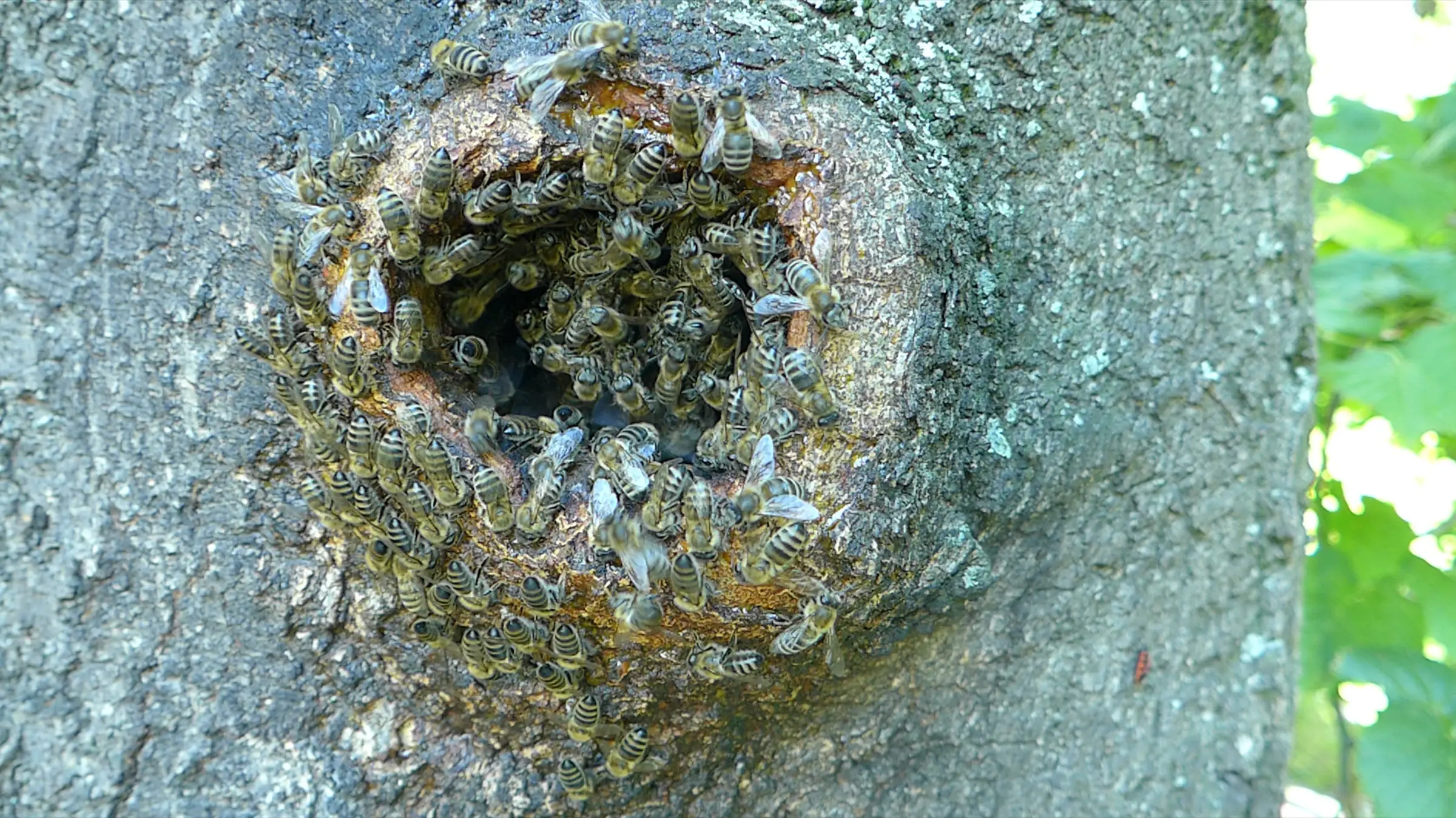
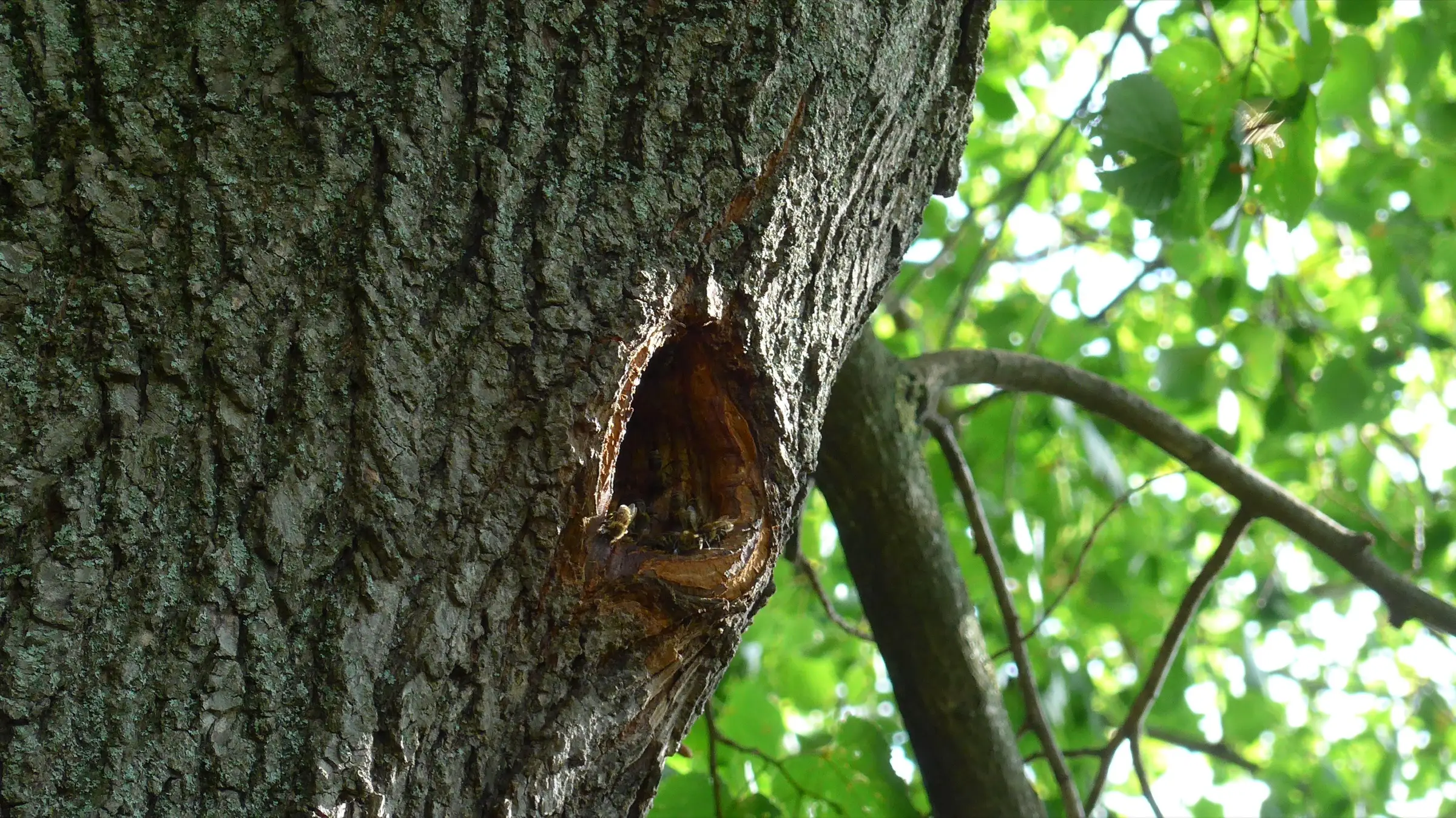
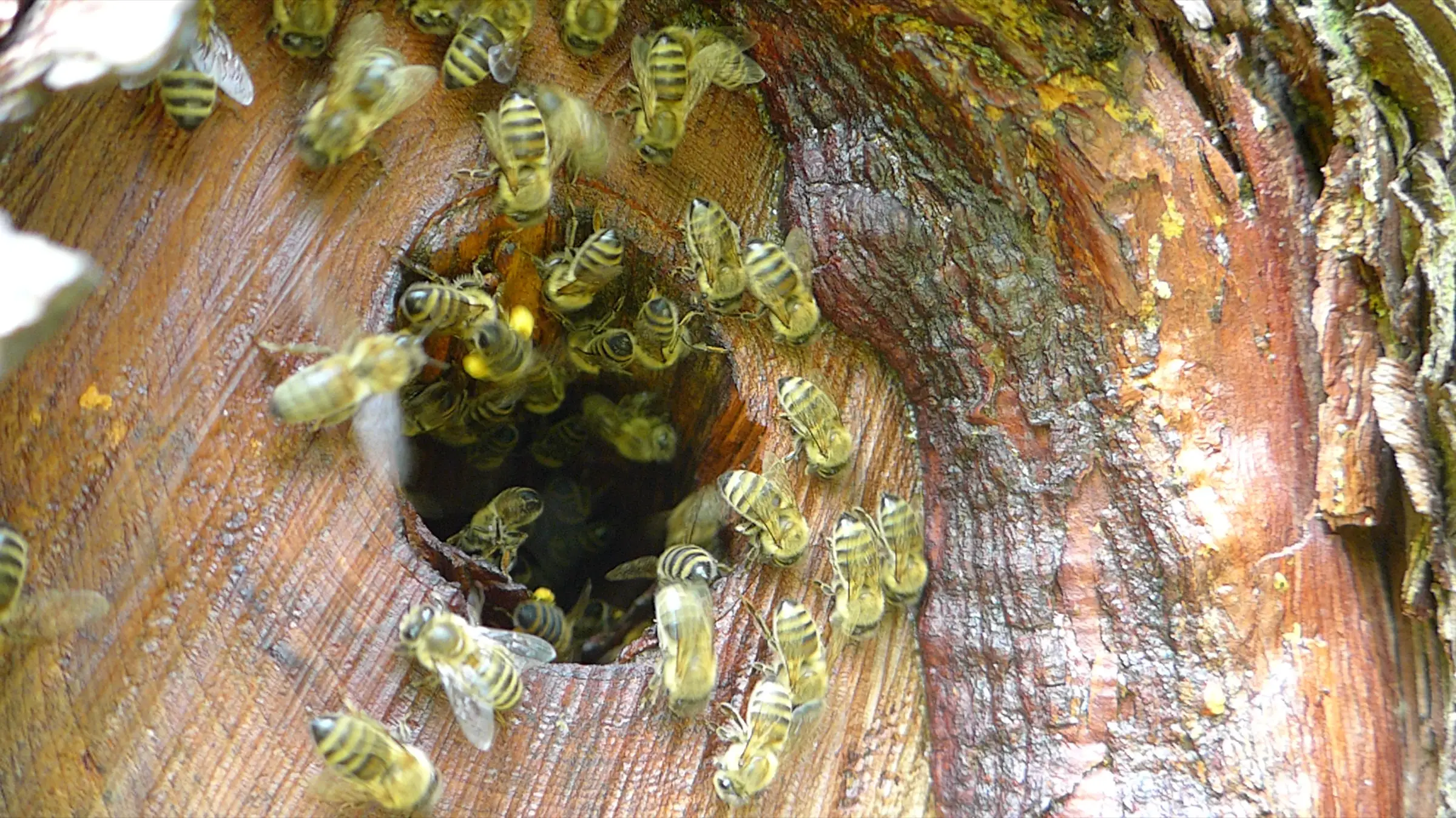
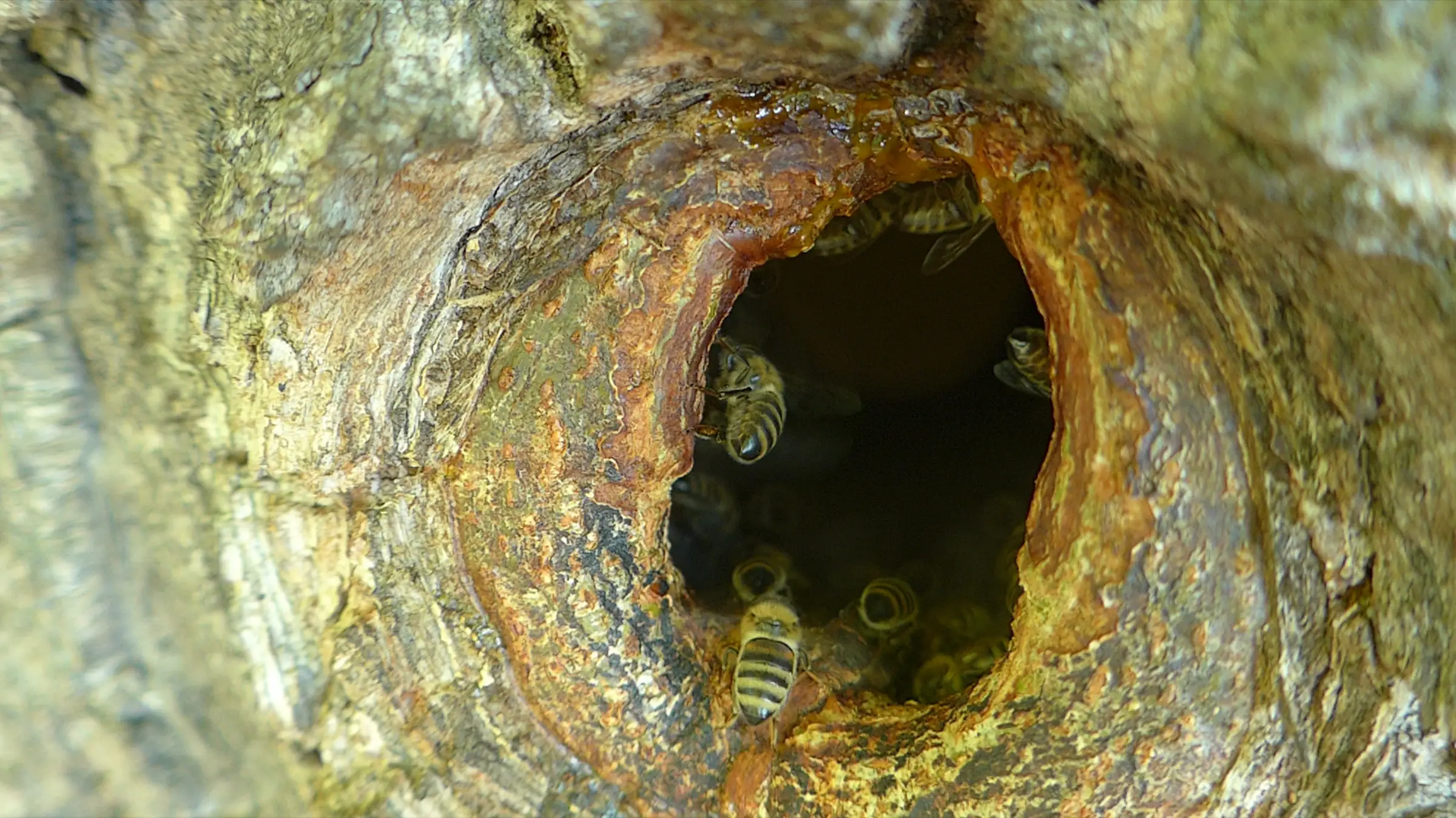
The old colony divides and a swarm leaves with the queen. Scout bees search the surroundings and choose a hollow – dry, roomy and usually with a small entrance.
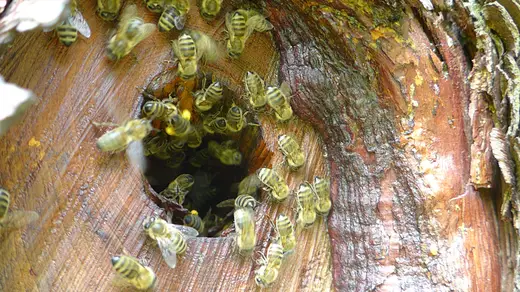
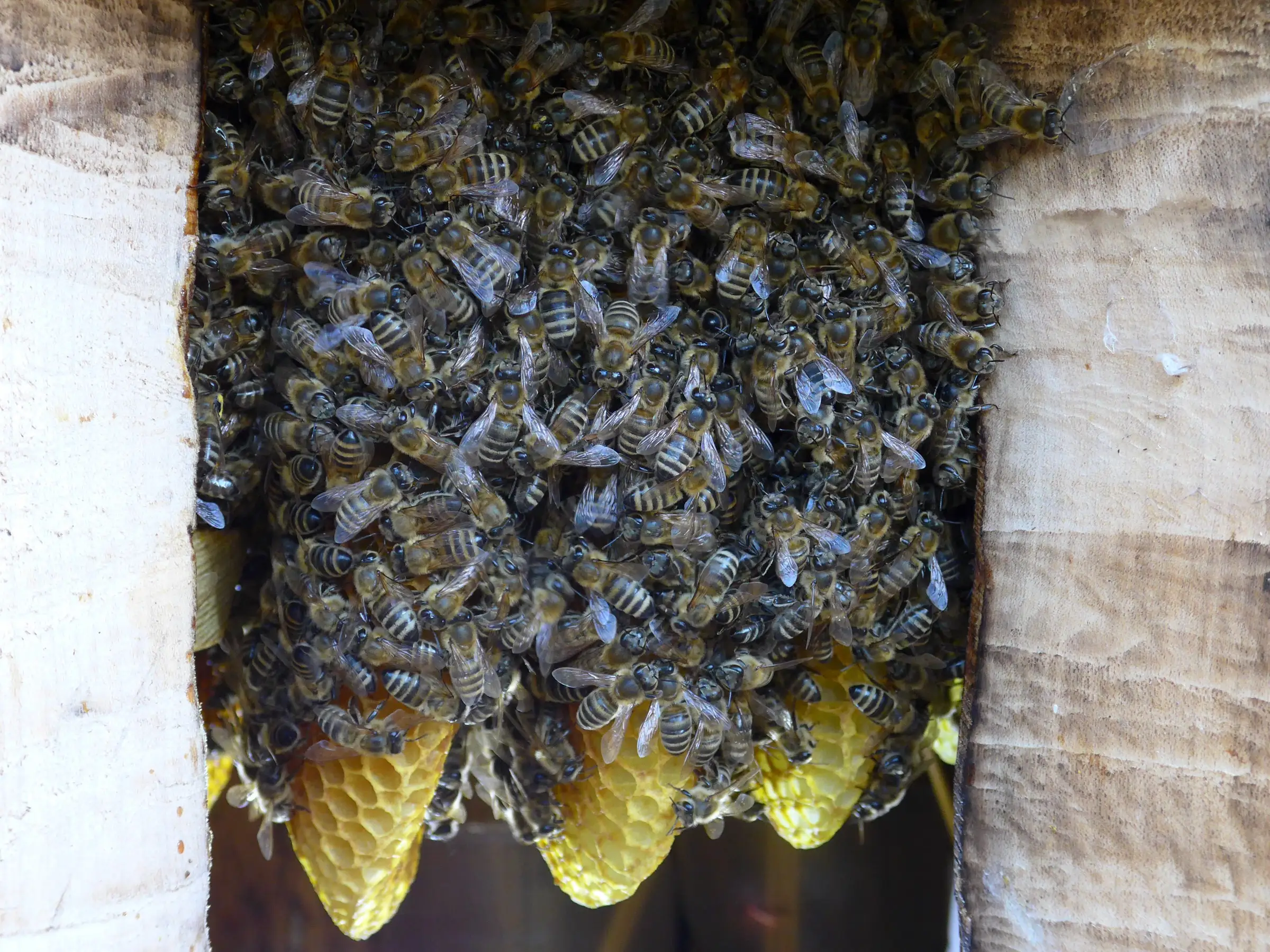
New combs grow in the darkness of the hollow. By autumn the colony must gather enough honey and pollen to survive the winter without any human help.
We travel to the hollows and record which ones are occupied. We take photos and videos, and collect a sample of two bees for genetic analysis.
The bees draw together into a tight cluster and keep each other warm by shivering their flight muscles. The thick walls of an old tree are their only insulation.
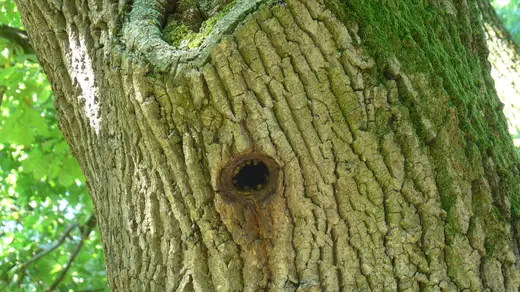
The spring check shows who made it through the winter. And if they didn't, the hollow won't stay empty for long. The scent of propolis and the old combs will attract a new swarm.
“The forest is a dynamic place, and all we can do is adapt our research to it.”
Matúš Pavle, Tribeč
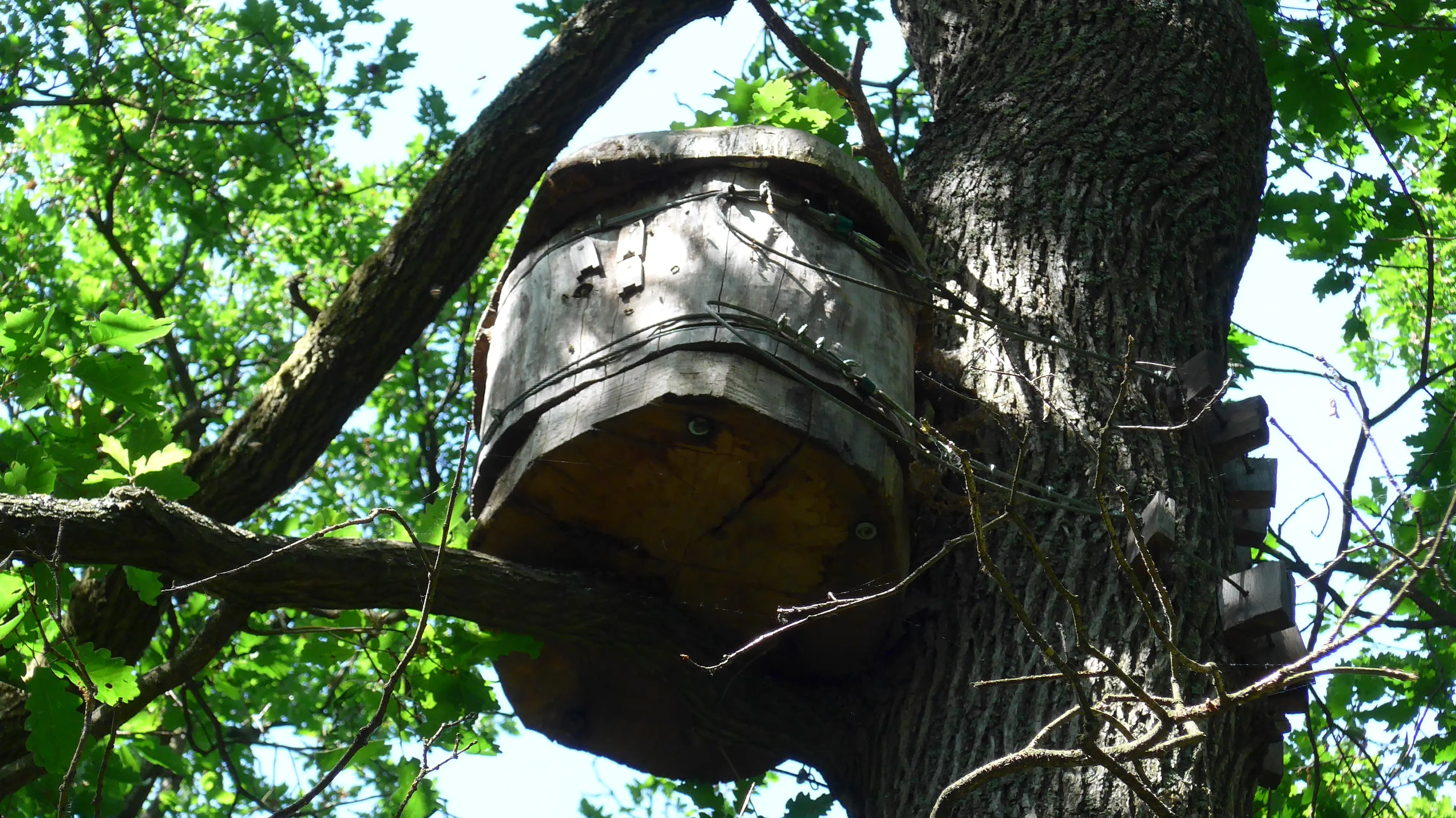
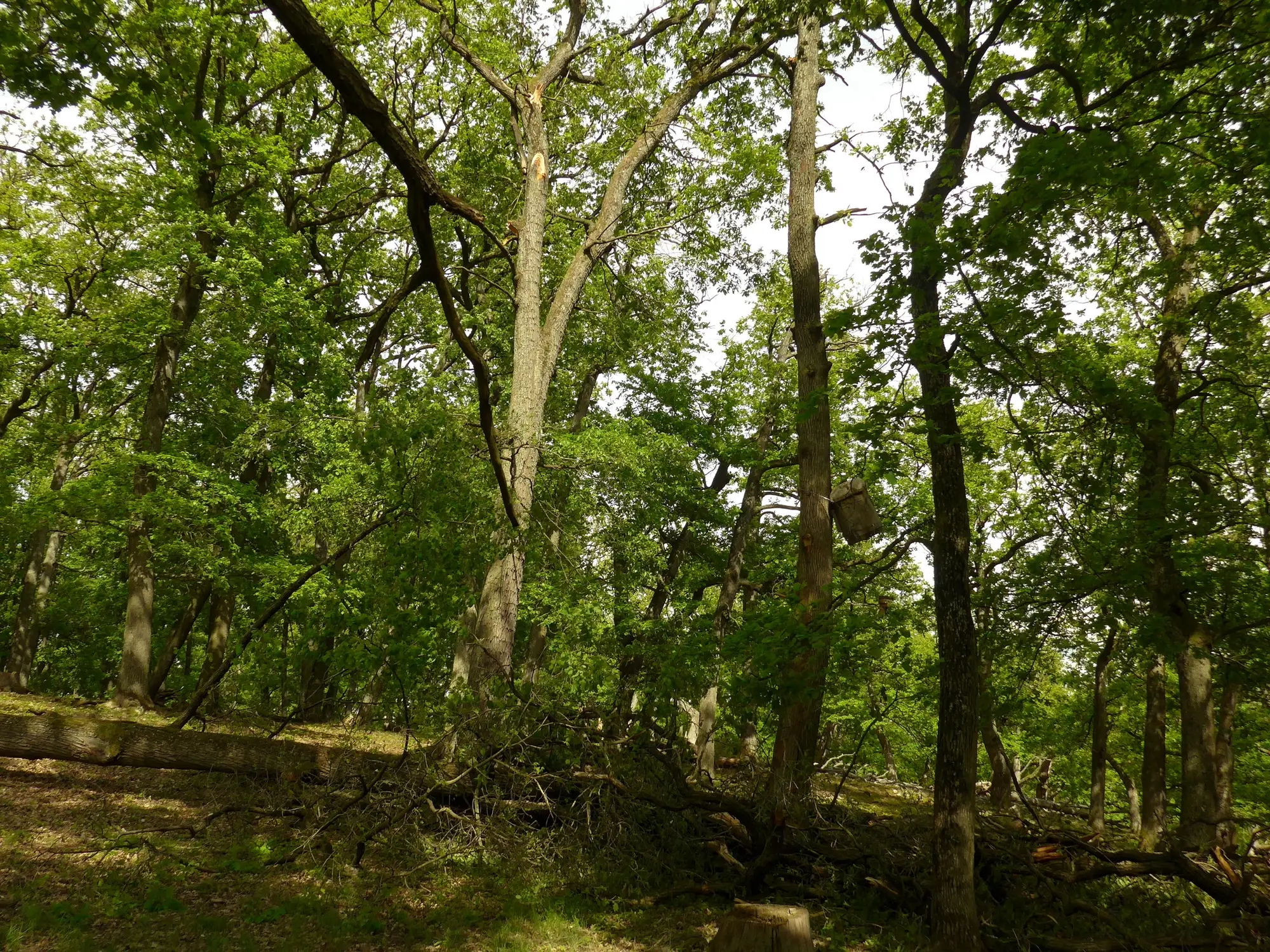
Since 2018 we have been watching whether free-living honey bee colonies can survive in the forest of the Tribeč mountains. So far the forest is giving us a clear, yet surprising answer.
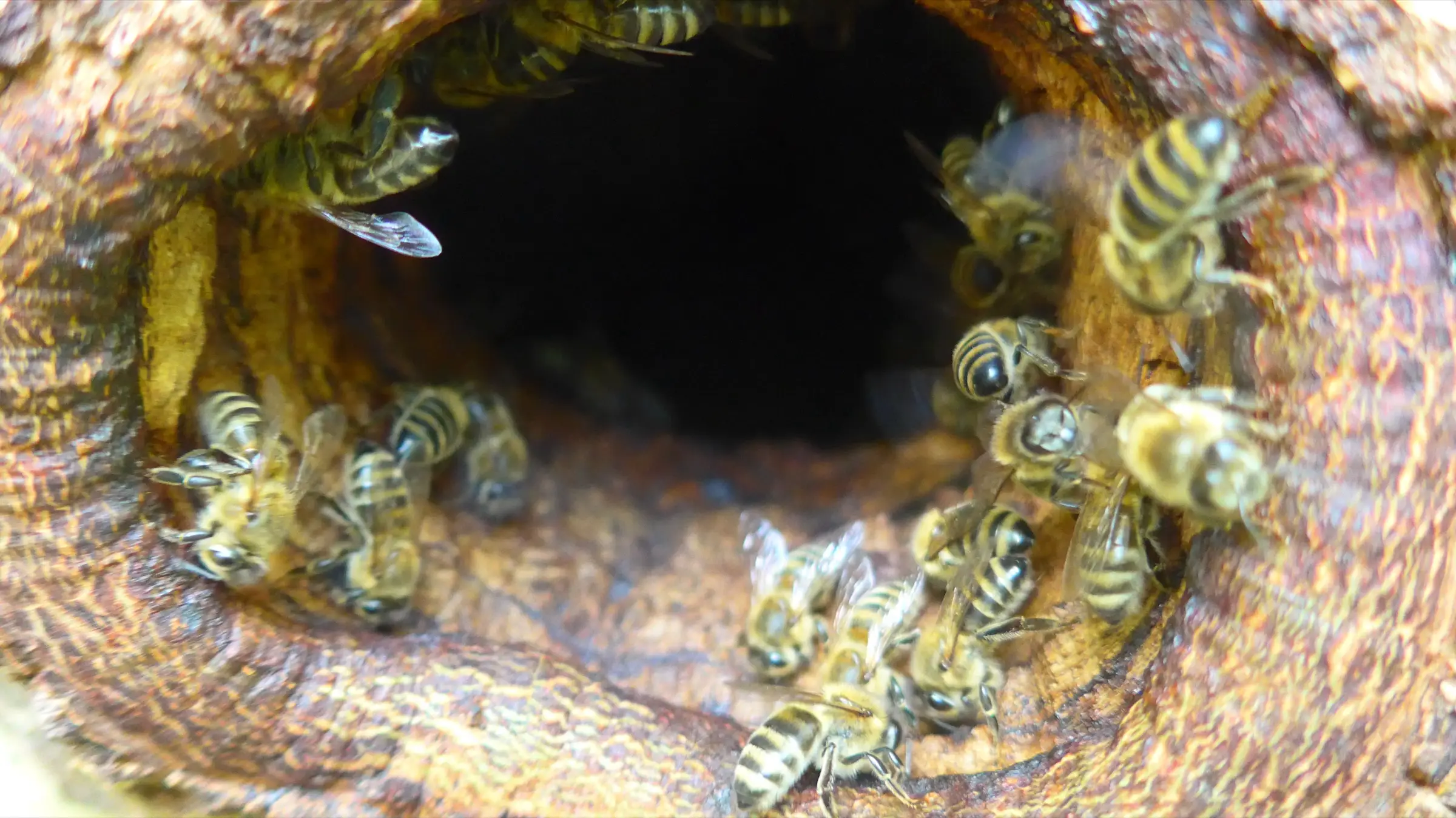
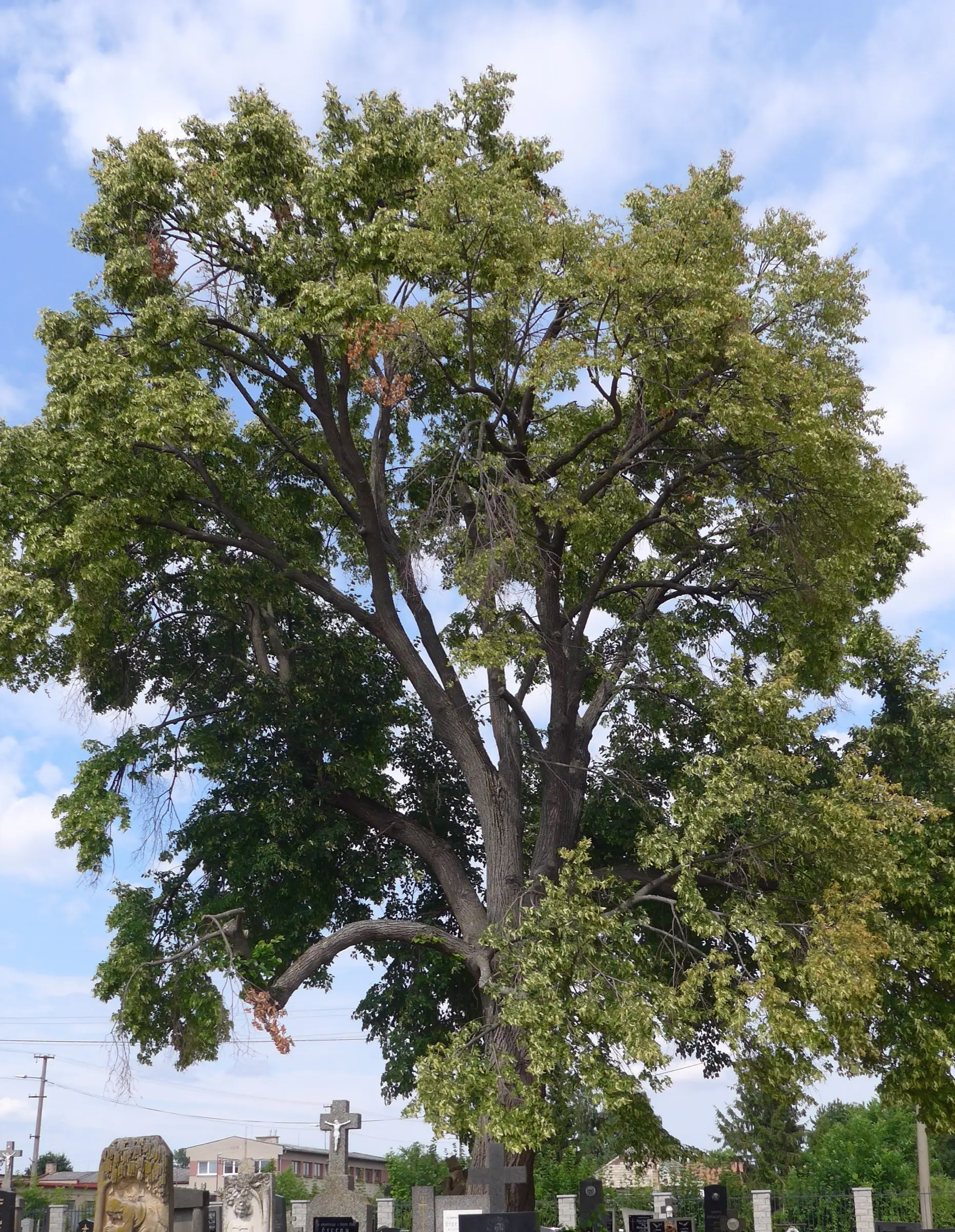
We find most free-living honey bee colonies in Slovakia not in the forest but in parks and cemeteries. The people who look after old trees help us find them.
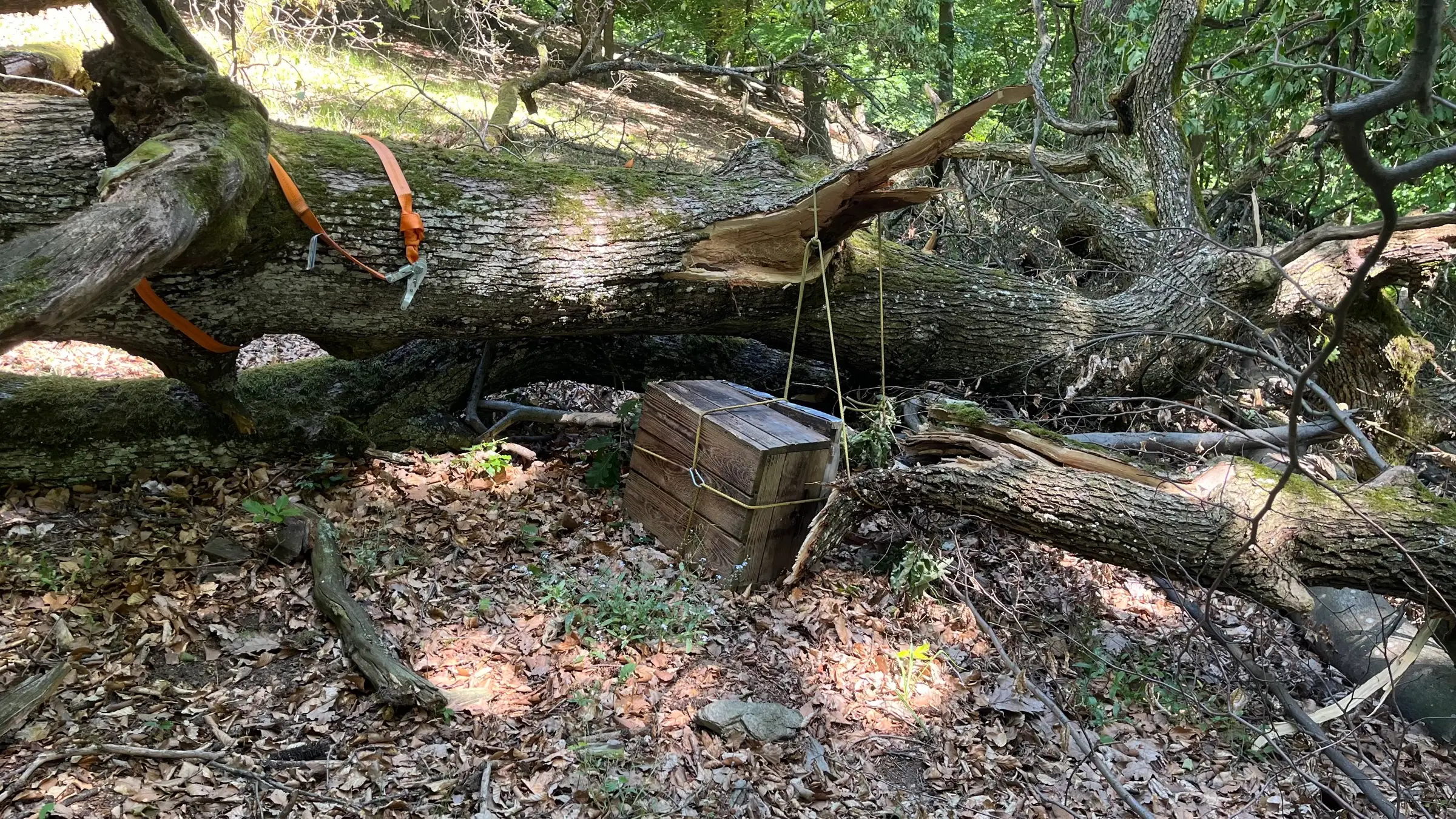
A windstorm, a fallen oak and a swarm trap on the ground. Long-term research in the forest means adapting to whatever the forest does.
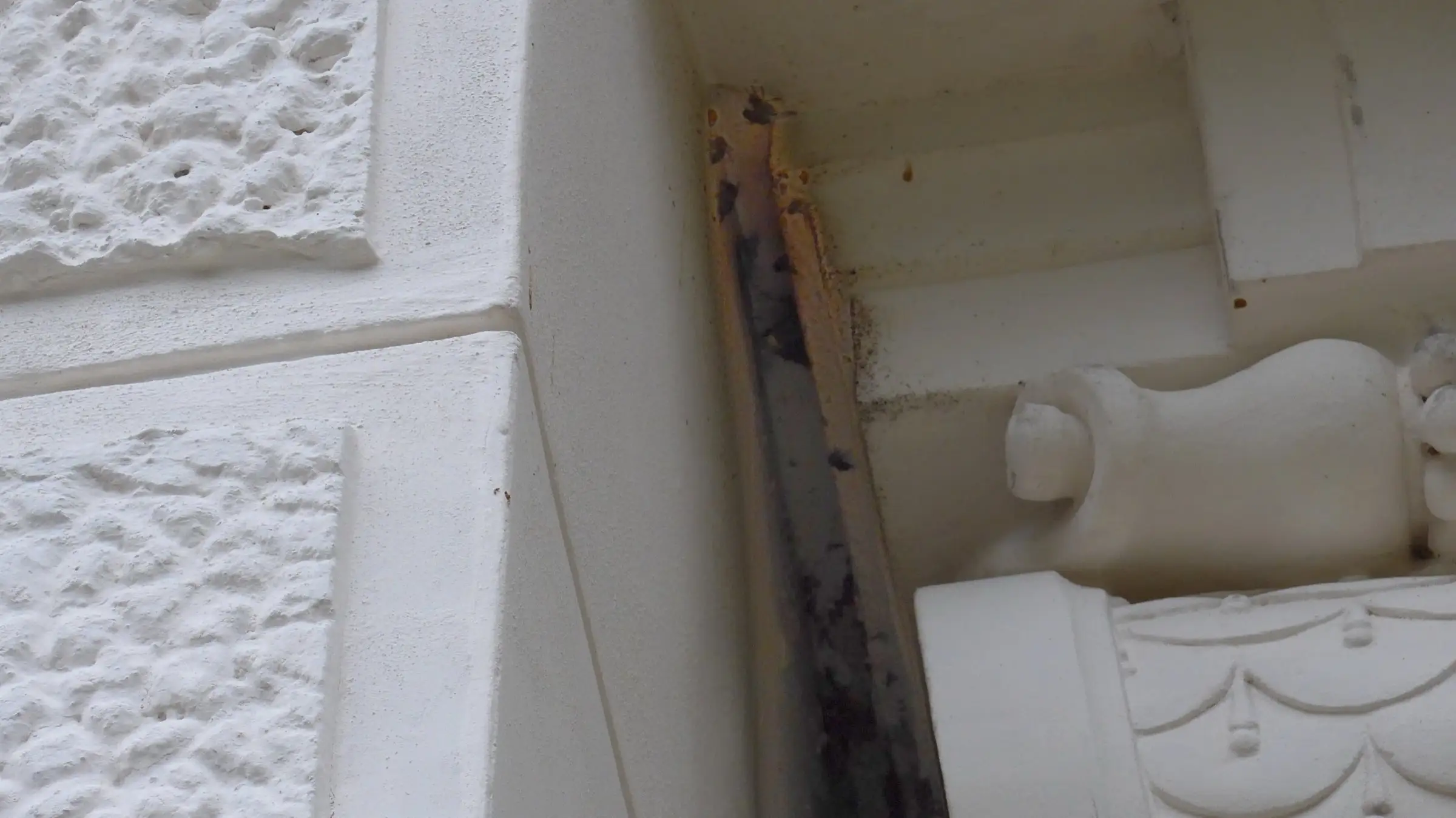
Free-living honey bees sometimes choose an unexpected home – the corbel of a manor house, a church tower or the cavity in the wall of a residential building.
We find most new hollows thanks to tips from people – arborists, foresters and observant passers-by. We never publish the locations.
Research on free-living honey bee colonies takes time, fieldwork and expert analyses. If you find this work worthwhile, you can help it continue. We also welcome expert, material or organisational cooperation.