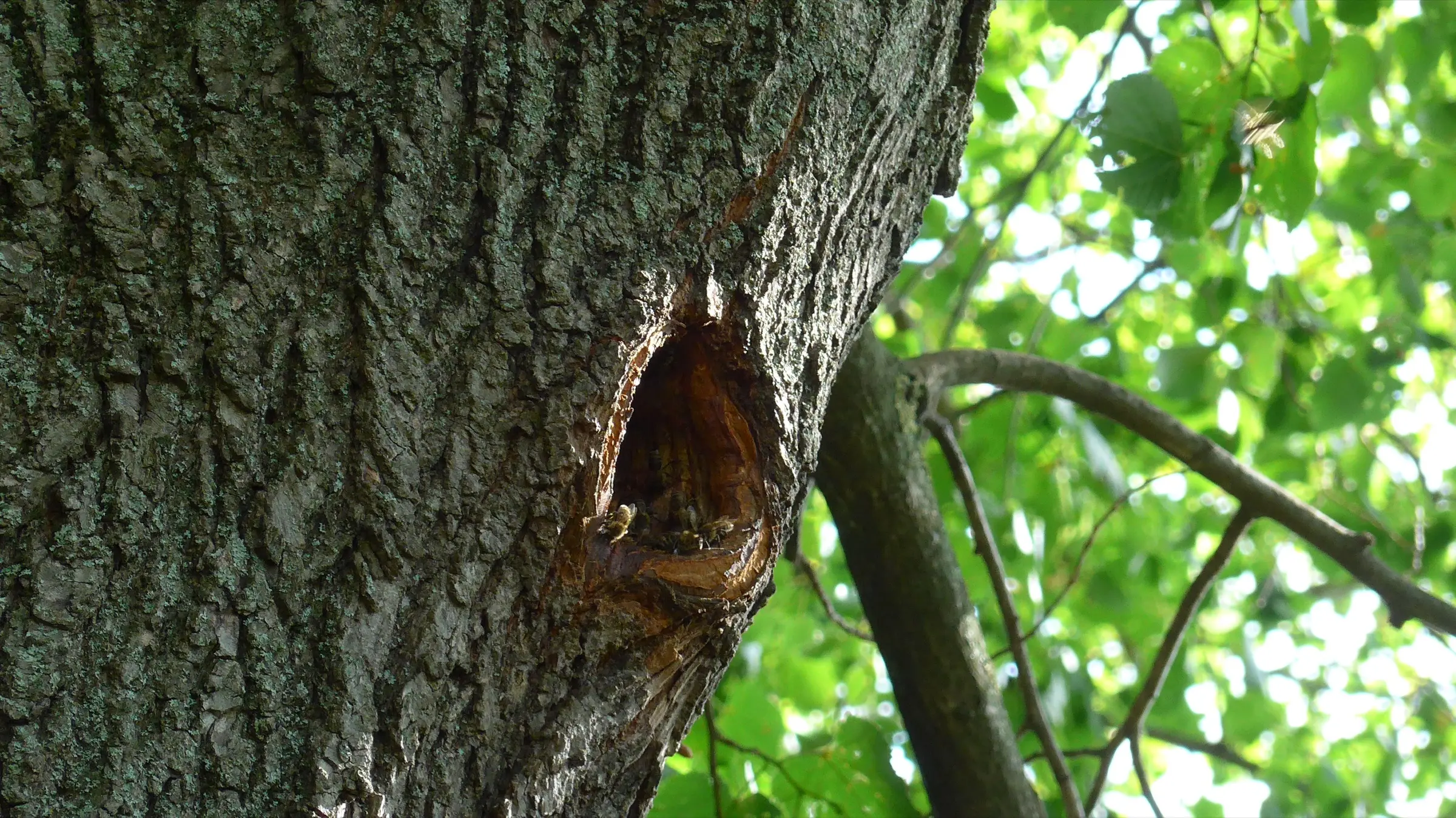
A hollow never stays empty for long
When the colony in a hollow dies, a new swarm is almost certain to find it in spring. Why do bees keep coming back to the same places?
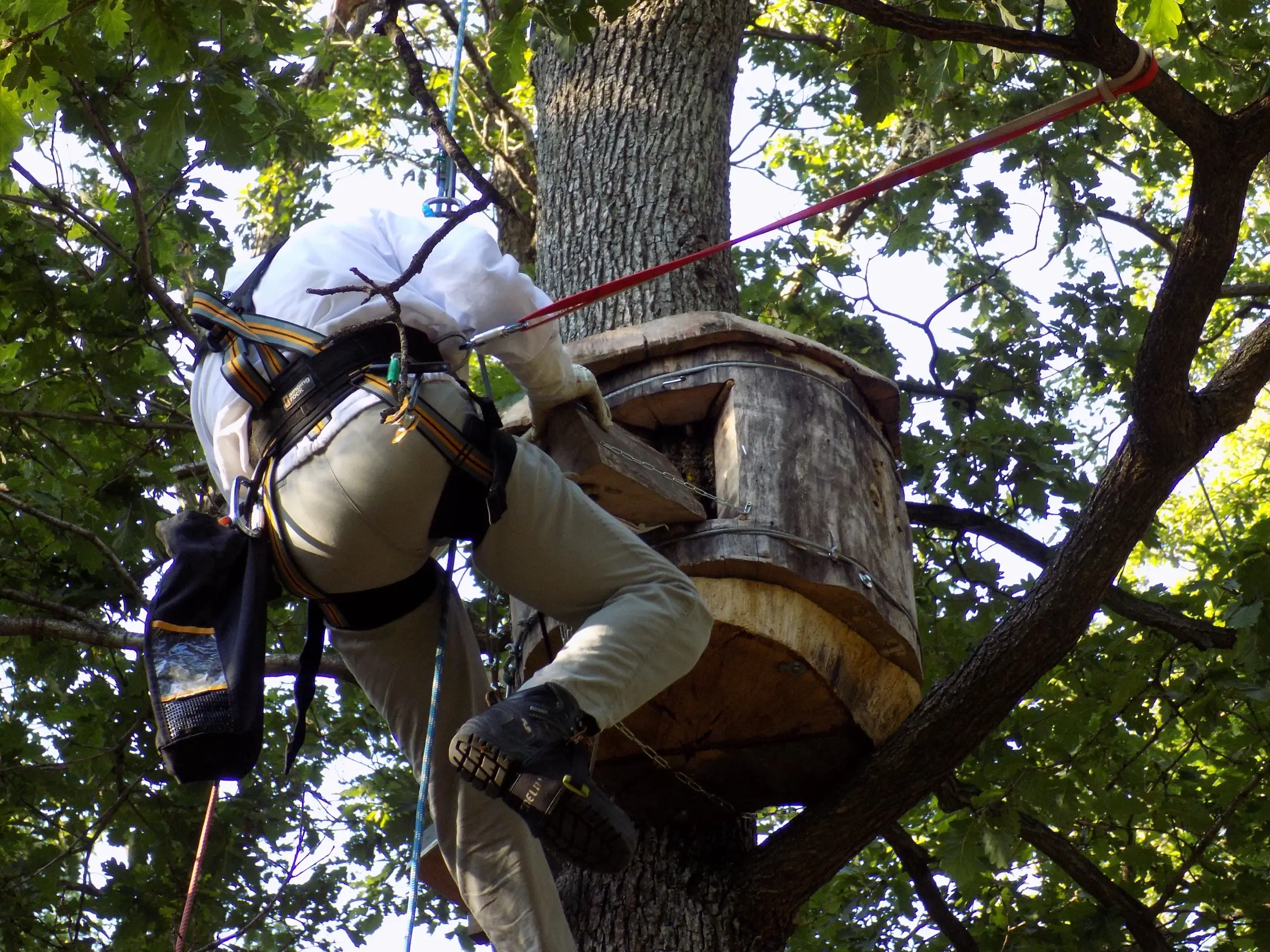
Every spring we go round the hollows that were occupied in autumn and find out which colonies have survived the winter. Not all of them make it. But we don’t cross the failed sites off our list – we keep visiting them.
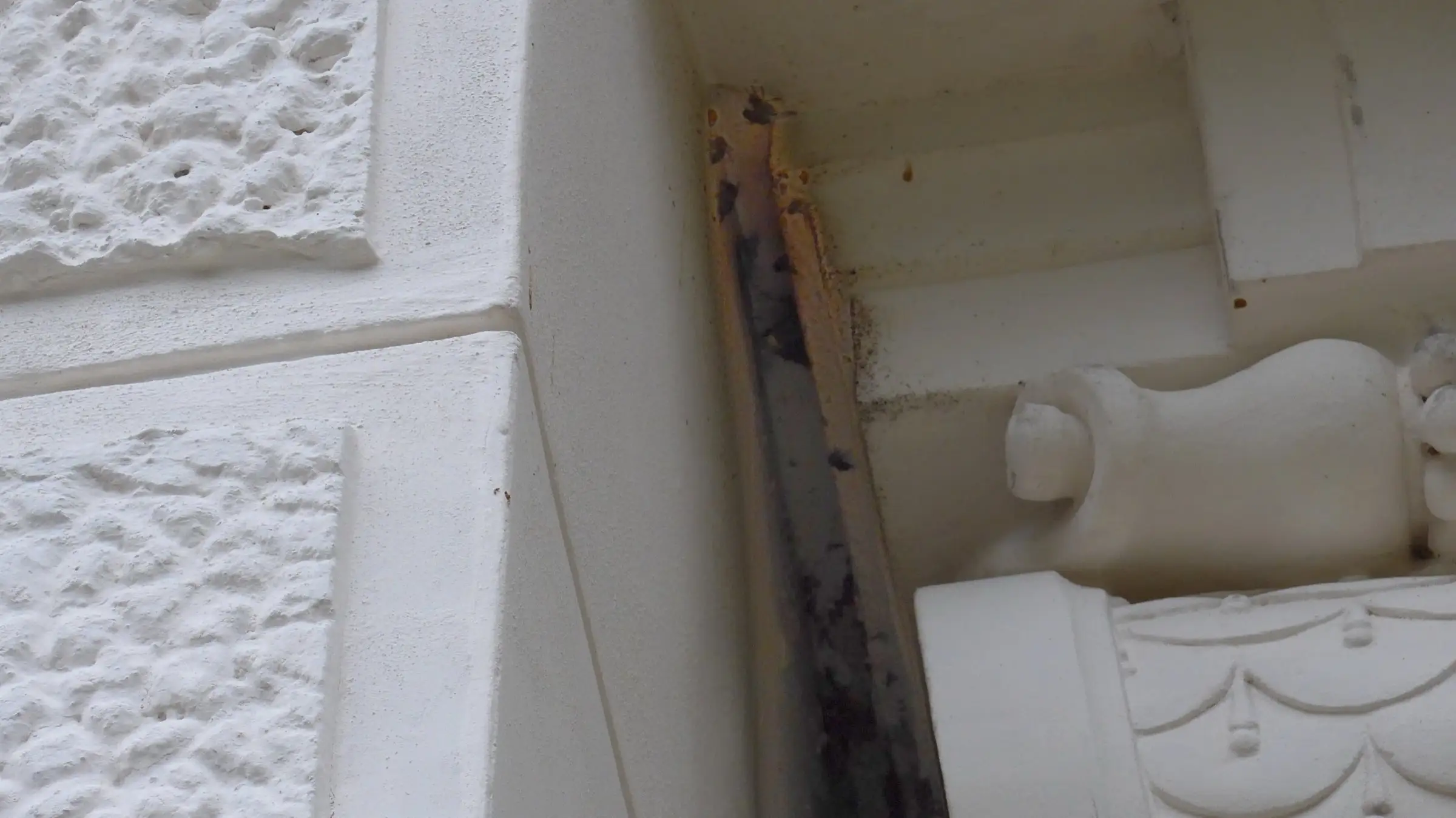
The reason is simple: after a failed winter, a hollow usually stays abandoned only for a short time. In the next swarming season it is very likely to be taken over by another swarm. More than half of the hollows we monitor are reoccupied every year.
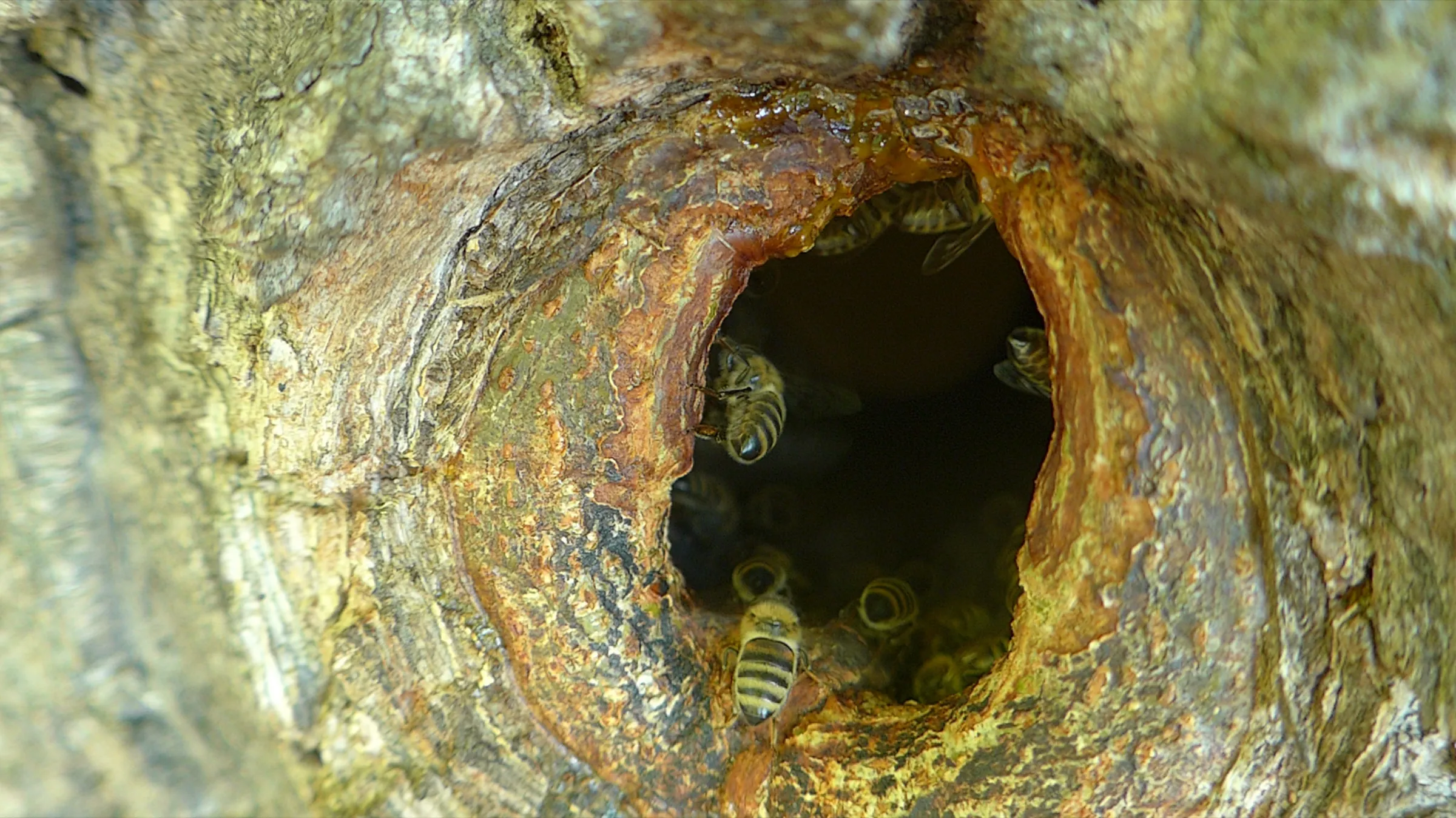
The scent of propolis as an invitation
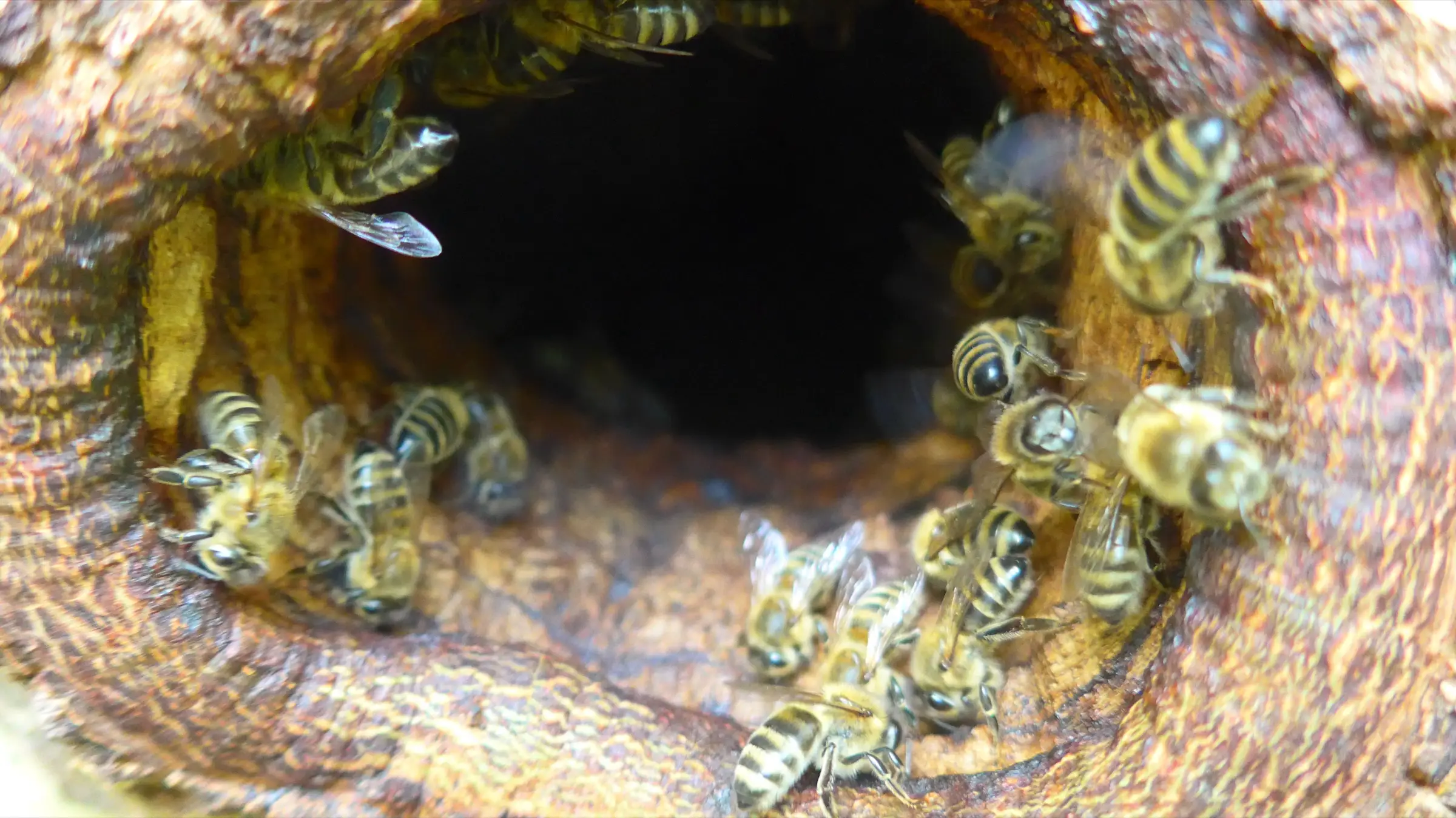
A swarm is drawn not only by ideal conditions – the right size of hollow and entrance. The intact combs and the scent of propolis left behind by the previous colony are also a strong lure. Scout bees judge such a hollow to be a proven place to live.
Today we monitor 158 hollows, and this year 110 of them were occupied. In spring we will find out how many colonies made it through the winter.