When the forest changes the plans
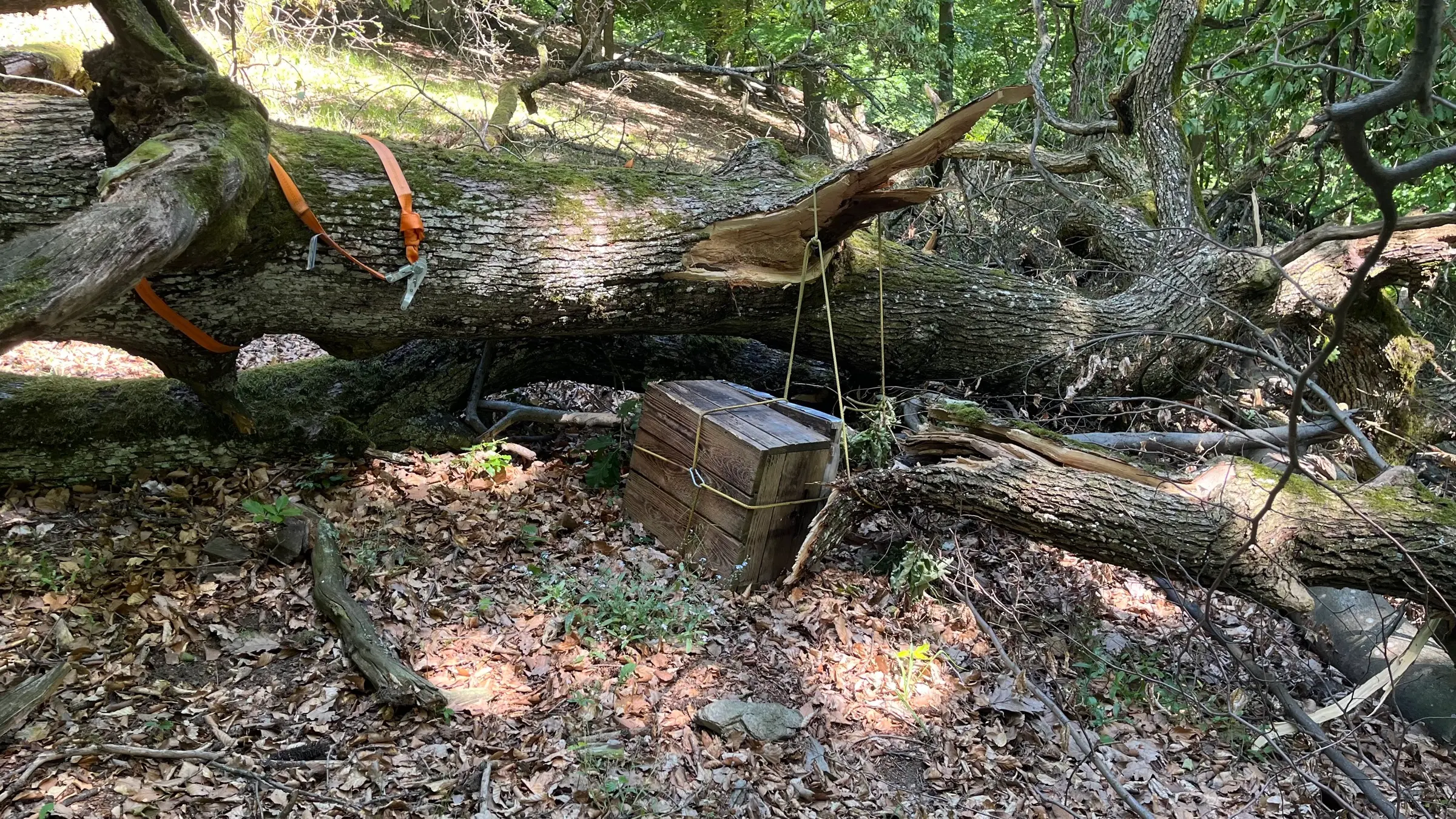
A windstorm, a fallen oak and a swarm trap on the ground. Long-term research in the forest means adapting to whatever the forest does.
The forest is not a laboratory. Nothing can be stopped or repeated there, and every year it looks a little different. In our years of observation in the Tribeč mountains we have experienced this first-hand more than once.
In 2025 an ancient oak collapsed at one of our sites – together with our swarm trap. Luckily, it was not occupied that season.
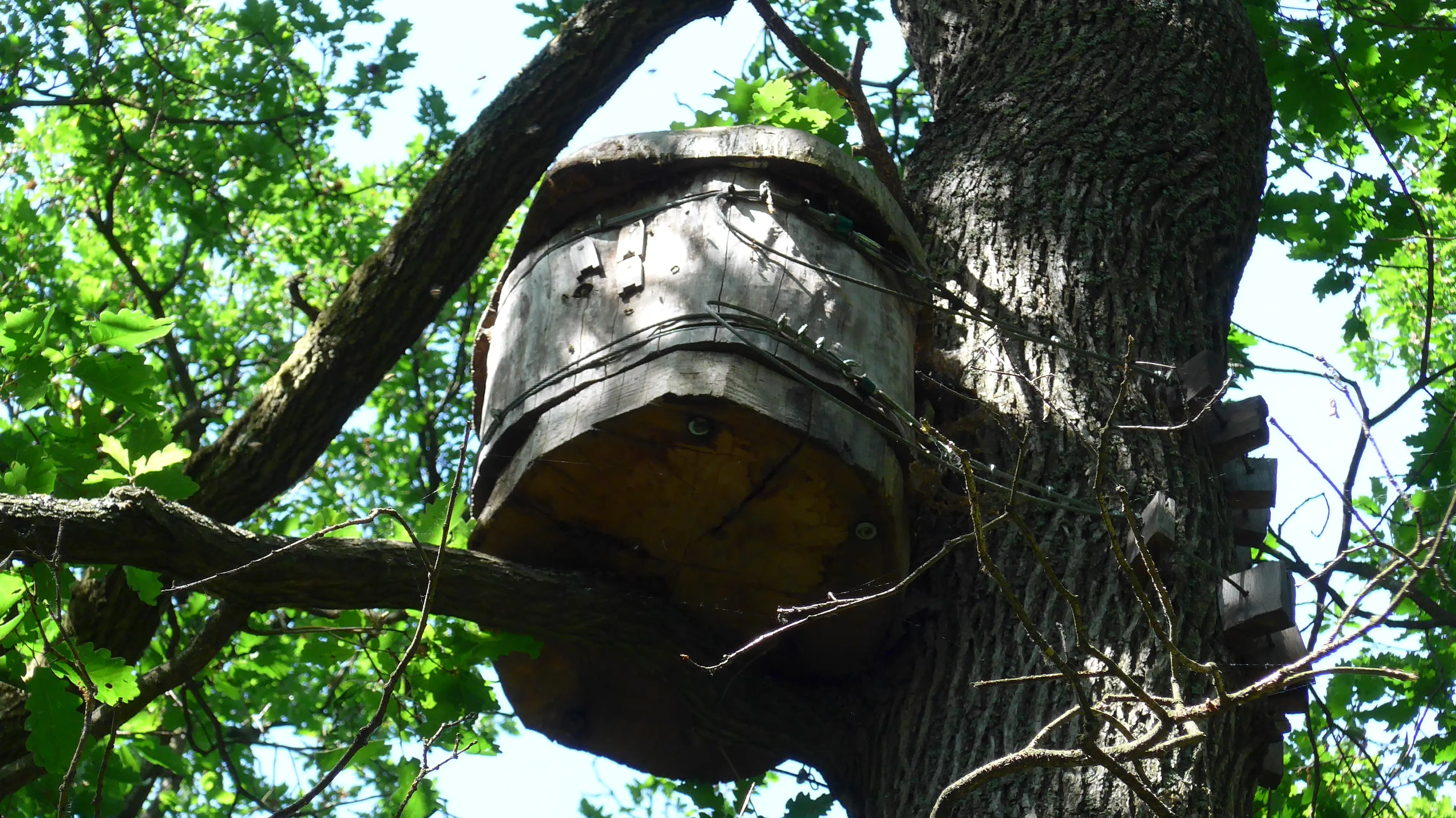
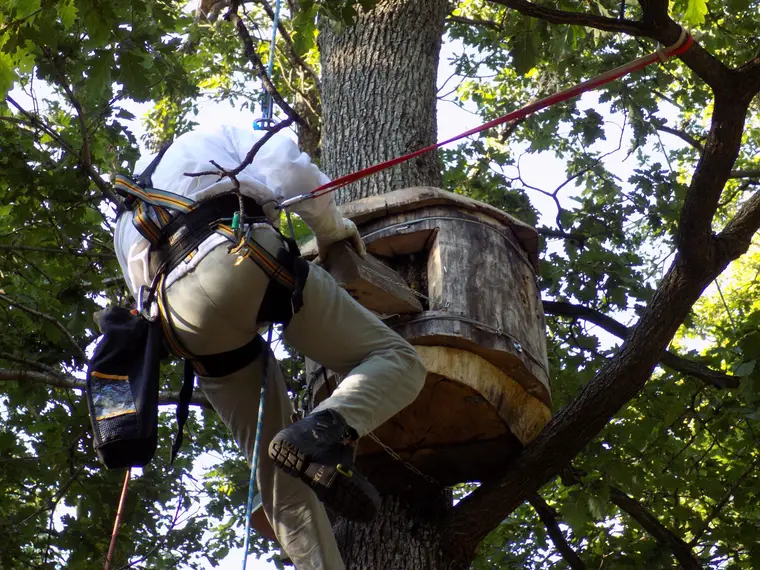
In 2021 a windstorm uprooted a mighty oak at another site. As it fell, it nearly tore down a log hive hanging on the neighbouring tree. The log hive held, but it was a close call.
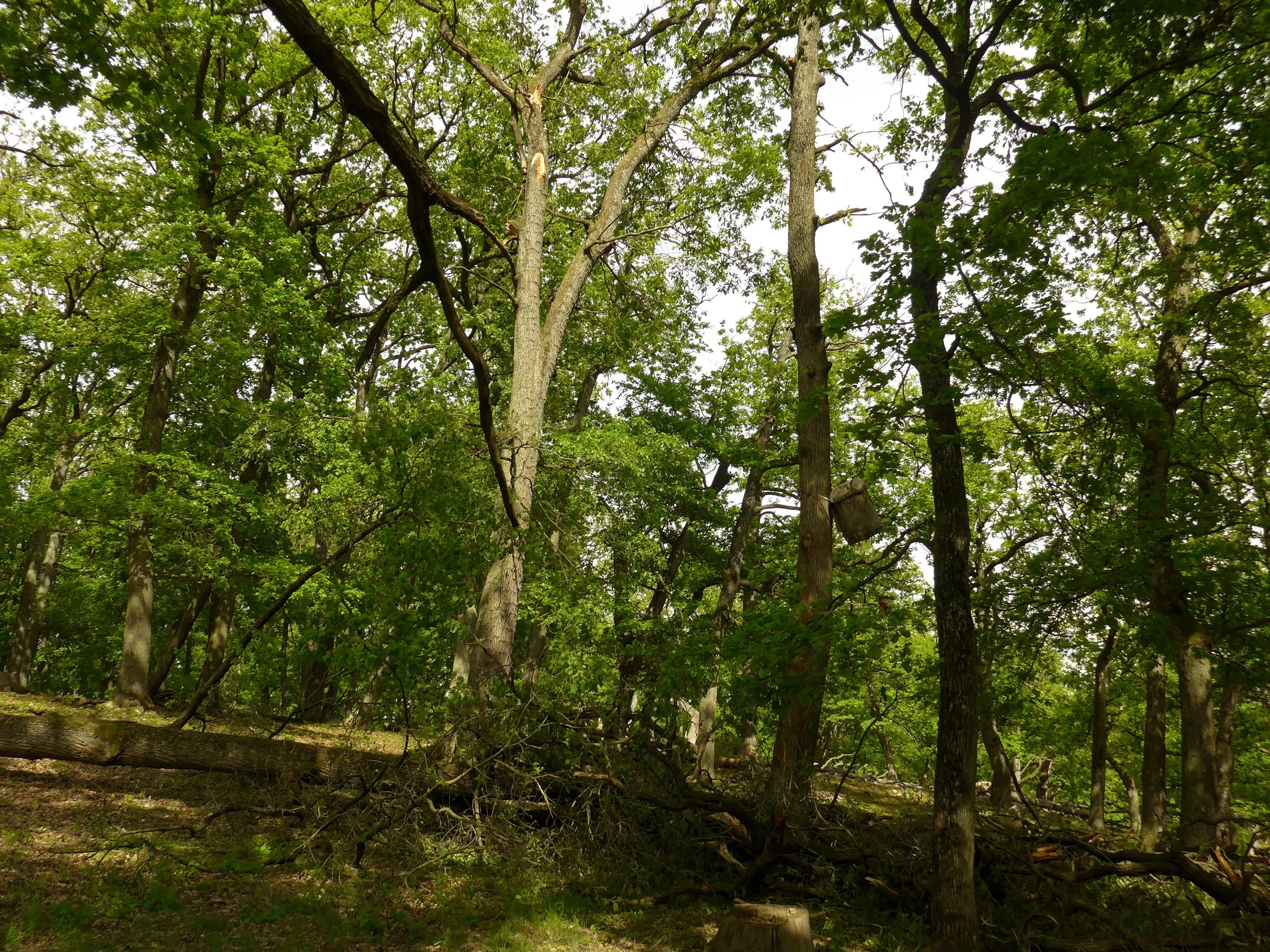
Old trees are both a home and a risk
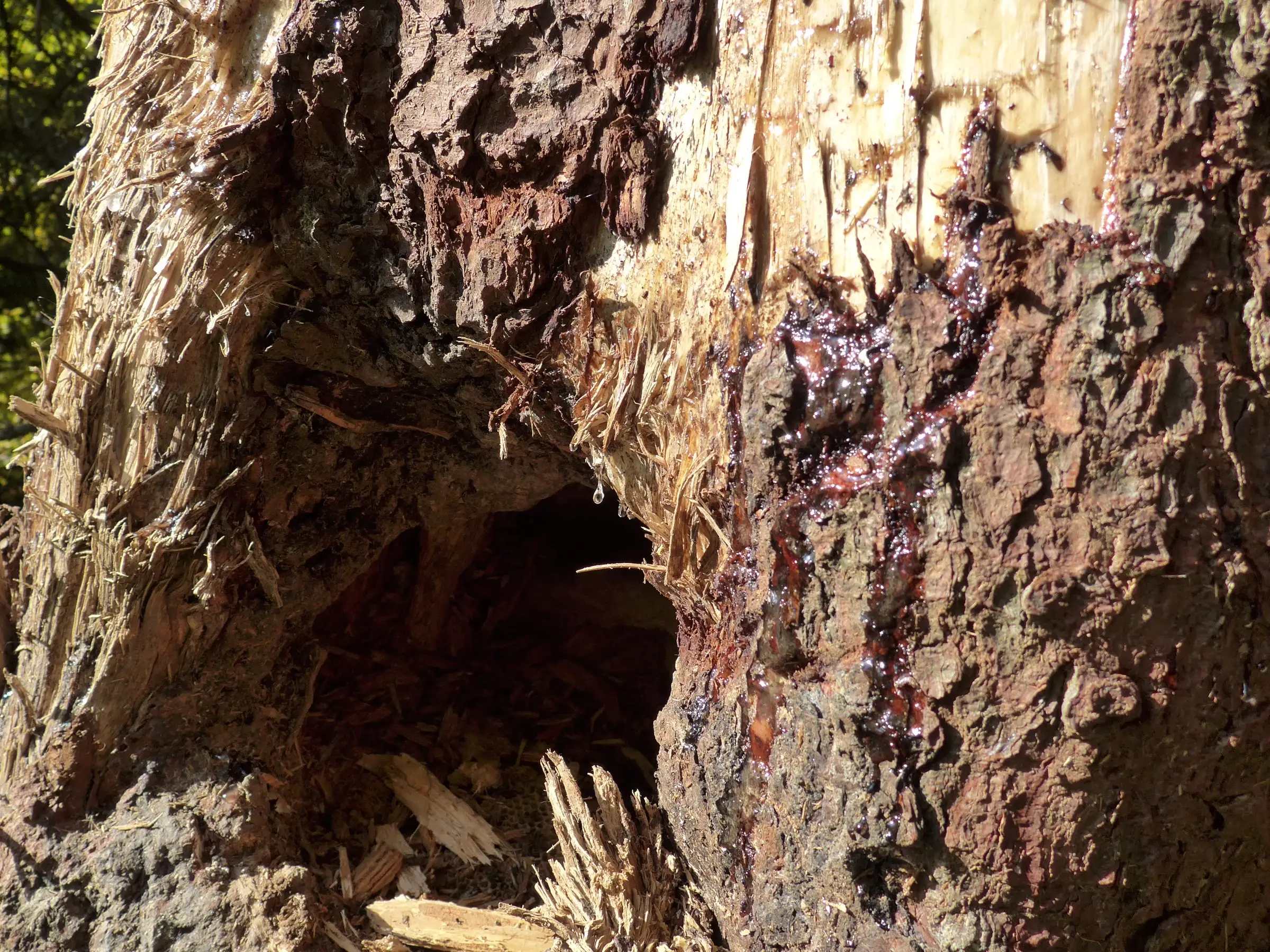
It is precisely old trees with hollows that are most valuable to free-living honey bee colonies. Some of the ancient ones may be nearing the end of their lives. The fall of such a tree is a natural part of the life of the forest – and the decaying wood becomes a home for other organisms.
The forest is a dynamic place, and all we can do is adapt our research to it. We restore damaged sites, look for new ones and record every change. That, too, is part of the data that will one day add up to a picture of how bees are faring in our forests.